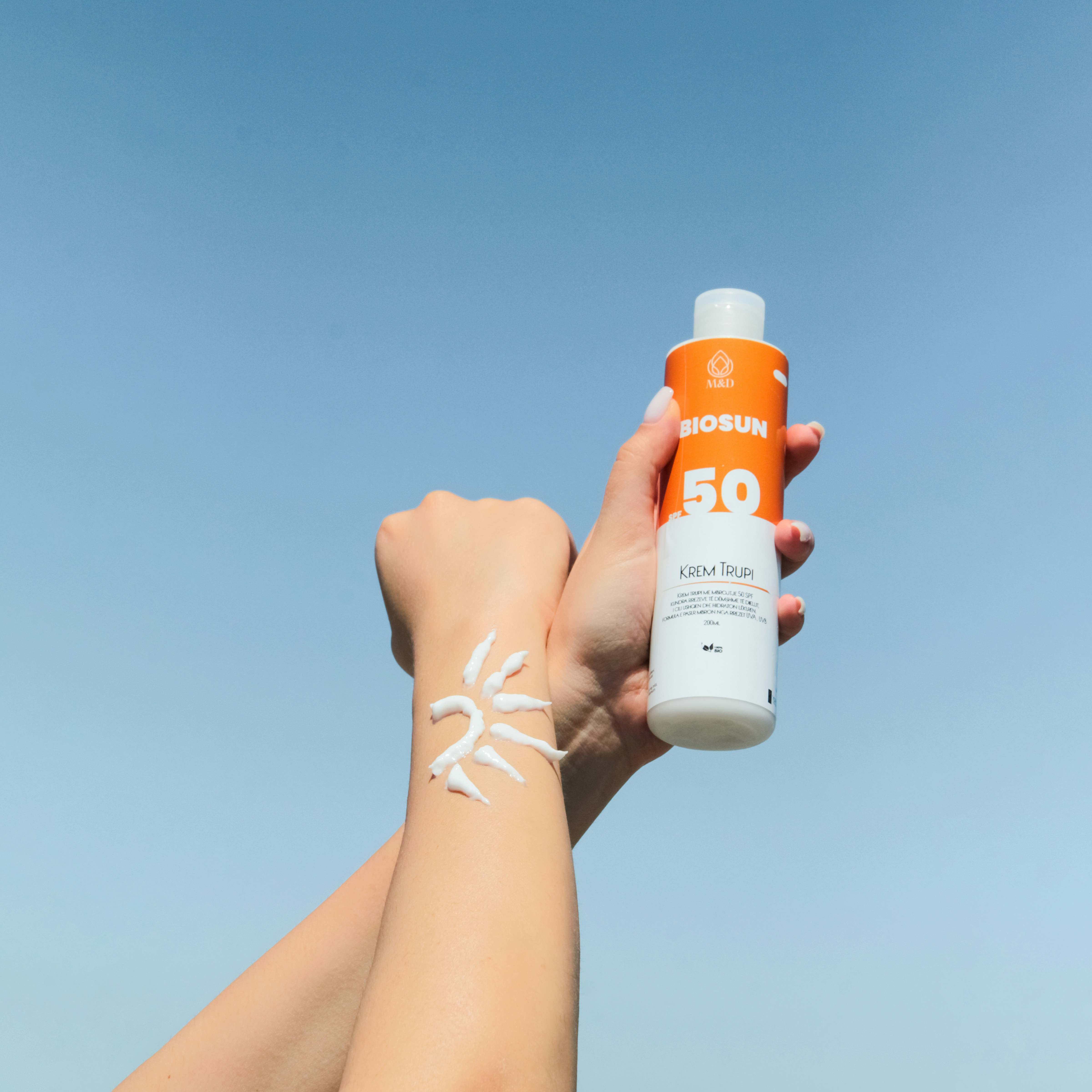
Sunscreen works best as a system: choose broad-spectrum SPF 30 or higher, apply enough before outdoor exposure, and reapply every two hours or after swimming or sweating.
Sunscreen is not a one-and-done morning step when you spend meaningful time outdoors. Protection depends on the formula, the amount applied, exposed areas, time outside, and whether water, sweat, rubbing, or toweling has disturbed the film.
Quick Answer
For outdoor protection, dermatologists recommend a broad-spectrum, water-resistant sunscreen with SPF 30 or higher. Apply it before going outside, cover all exposed skin, and reapply about every two hours and immediately after swimming or sweating. Clothing, shade, hats, and sunglasses remain part of the plan.
Why Reapplication Matters
A sunscreen film becomes less reliable as it is touched, wiped, diluted by sweat, or exposed to water. Reapplication is less about resetting a timer in perfect indoor conditions and more about restoring coverage when real life has disrupted it. A long commute, outdoor lunch, workout, beach day, or window-side drive can create different exposure patterns.
How Much and Where
The American Academy of Dermatology advises enough sunscreen to cover every area not protected by clothing. Commonly missed zones include the ears, hairline, neck, lips, hands, and tops of the feet. Apply evenly instead of relying on a few dots spread thinly.
A Practical Daytime Plan
Start with sunscreen as the last skincare step and before makeup. If you will be outdoors, carry a format you can apply evenly and comfortably. Reapply before an outdoor lunch, after sweating, after swimming, or when clothing and towels have rubbed the product away. Do not use makeup with SPF as a substitute unless you apply the labeled amount.
What to Track in Biuty
Record the sunscreen, application time, outdoor periods, and any redness, tightness, or new darkening. Compare standardized photos over weeks rather than checking immediately after one day. The goal is consistent protection, not a false promise that sunscreen can erase existing damage.
Key Takeaways
Choose a sunscreen you can use generously and repeatedly. Broad-spectrum SPF 30 or higher, adequate coverage, reapplication during outdoor exposure, and physical protection work together. See a dermatologist for persistent or changing spots, burns, or other concerning skin changes.
Skincare technology editors focused on evidence-informed routines, ingredient literacy, and visual skin progress tracking.
Explore our guides:
The Complete Guide to Skin Concerns · The Complete Skincare Ingredients Guide
Track what actually works for your skin
Biuty helps you compare skin progress over time, understand routine changes, and reduce product guesswork with visual tracking.
Try Biuty
Learn more
Discover more from the latest posts.