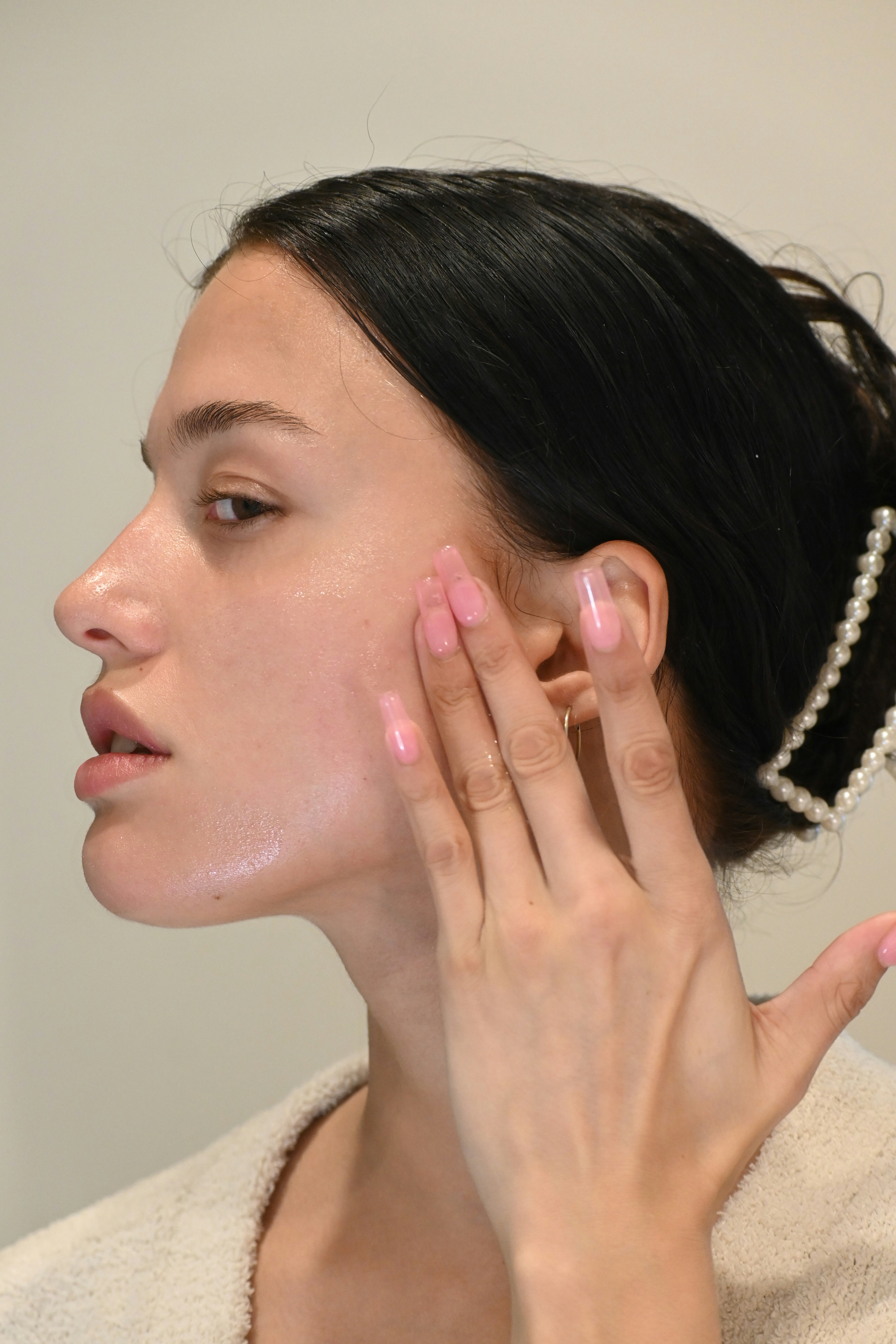
Use a controlled skincare product test to check early tolerance, introduce one variable at a time, and avoid confusing irritation with normal adjustment.
The cleanest way to test a skincare product is to change one variable, check a small area first, and keep the rest of the routine stable. This does not guarantee that a delayed or full-face reaction will never occur. It does give you a much better chance of identifying what helped, what irritated, and what simply did nothing.
Quick Answer
Use this sequence:
Photograph and note your baseline.
Test the product on a small area as dermatology guidance recommends.
If no reaction appears, introduce it at a conservative frequency.
Change no other product for at least two weeks.
Track comfort first and visible results on a goal-appropriate timeline.
Stop for persistent burning, swelling, an itchy rash, blistering, or worsening pain.
Home Product Testing Is Not Medical Patch Testing
The language is confusing. A small at-home use test can help screen for an obvious reaction to a finished product. Medical patch testing is performed and interpreted by a clinician to investigate allergic contact dermatitis across specific allergens.
AAD recommends applying a new skincare product to a quarter-sized test area twice daily for 7 to 10 days, using it for the same contact time it would normally have. AAD
AAD's medical patch-testing guidance describes allergen patches worn and reviewed over several days by a dermatologist. That is a different diagnostic process. AAD
The Four Phases of a Useful Test
Phase | What you do | What you learn |
|---|---|---|
Baseline | Keep routine stable and record current skin | What was already present before the product |
Small-area test | Use a limited area for the recommended period | Whether an obvious local reaction appears |
Controlled introduction | Add the product at a conservative frequency | Early full-routine tolerance |
Review | Compare comfort, adherence, and target outcome | Keep, adjust, pause, or stop |
Phase 1: Build a Baseline
For three to seven days, record:
exact morning and night products
burning, stinging, itching, and tightness
active breakouts by area
flaking, redness, and roughness
one set of consistent photos
If your skin is already unstable, the test result will be noisy. Use the 14-Day Skin Journal or simplify first.
Phase 2: Test a Small Area
Follow the product directions and AAD's small-area guidance. A cleanser should not be left on all day, and a leave-on product should not be rinsed off immediately just to complete the test.
If you develop redness, itching, swelling, or another clear reaction, wash the product off and stop. Severe or persistent reactions deserve medical care.
Passing this stage is not a guarantee. The face may be more reactive than the inner arm, and some reactions require repeated or broader exposure.
Phase 3: Introduce One Variable
Do not test a serum during the same week you replace cleanser, moisturizer, and sunscreen. AAD advises starting with one anti-aging product because using several at once can irritate skin. AAD
For a leave-on active, a cautious start may mean two or three nonconsecutive uses per week. Follow label or clinician directions when they differ.
Keep these stable:
cleanser
moisturizer
sunscreen
application order
other active frequency
Phase 4: Review the Right Outcome
Separate tolerance from effectiveness.
Early tolerance questions
Does it burn beyond a brief mild sensation?
Is tightness increasing each day?
Did an itchy or swollen rash appear?
Does basic moisturizer now sting?
Effectiveness questions
What was the target outcome?
Is the timeline long enough for that outcome?
Did you use the product consistently?
Did lighting or camera settings change?
Did a new external factor confuse the result?
Use How to Know If Your Skincare Routine Is Actually Working for a longer review framework.
Adjustment Is Not a License to Ignore Irritation
Some ingredients can cause predictable dryness or mild irritation during introduction. That does not mean every burning, rash, or breakout is "purging."
Pause and simplify when discomfort keeps building, the reaction spreads, or products that were comfortable now sting. Review Skin Barrier Damage rather than adding more products to compensate.
What to Track in Biuty
Create one experiment record with:
product and formula name
first-use date
test area and result
application dates
comfort scores
weekly photos
target signal
decision date
A useful conclusion is specific: "Three uses per week reduced oiliness without stinging after four weeks." Avoid vague verdicts like "good" or "bad."
Key Takeaways
One-variable testing is slower than a product haul and much faster than untangling a damaged routine. Test a small area, keep the baseline stable, and review tolerance separately from the target result.
Use Biuty to log each introduction so your routine becomes a series of readable decisions rather than overlapping guesses.
Skincare technology editors focused on evidence-informed routines, ingredient literacy, and visual skin progress tracking.
Explore our guides:
The Complete Guide to Skin Concerns · The Complete Skincare Ingredients Guide
Track what actually works for your skin
Biuty helps you compare skin progress over time, understand routine changes, and reduce product guesswork with visual tracking.
Try Biuty
Learn more
Discover more from the latest posts.