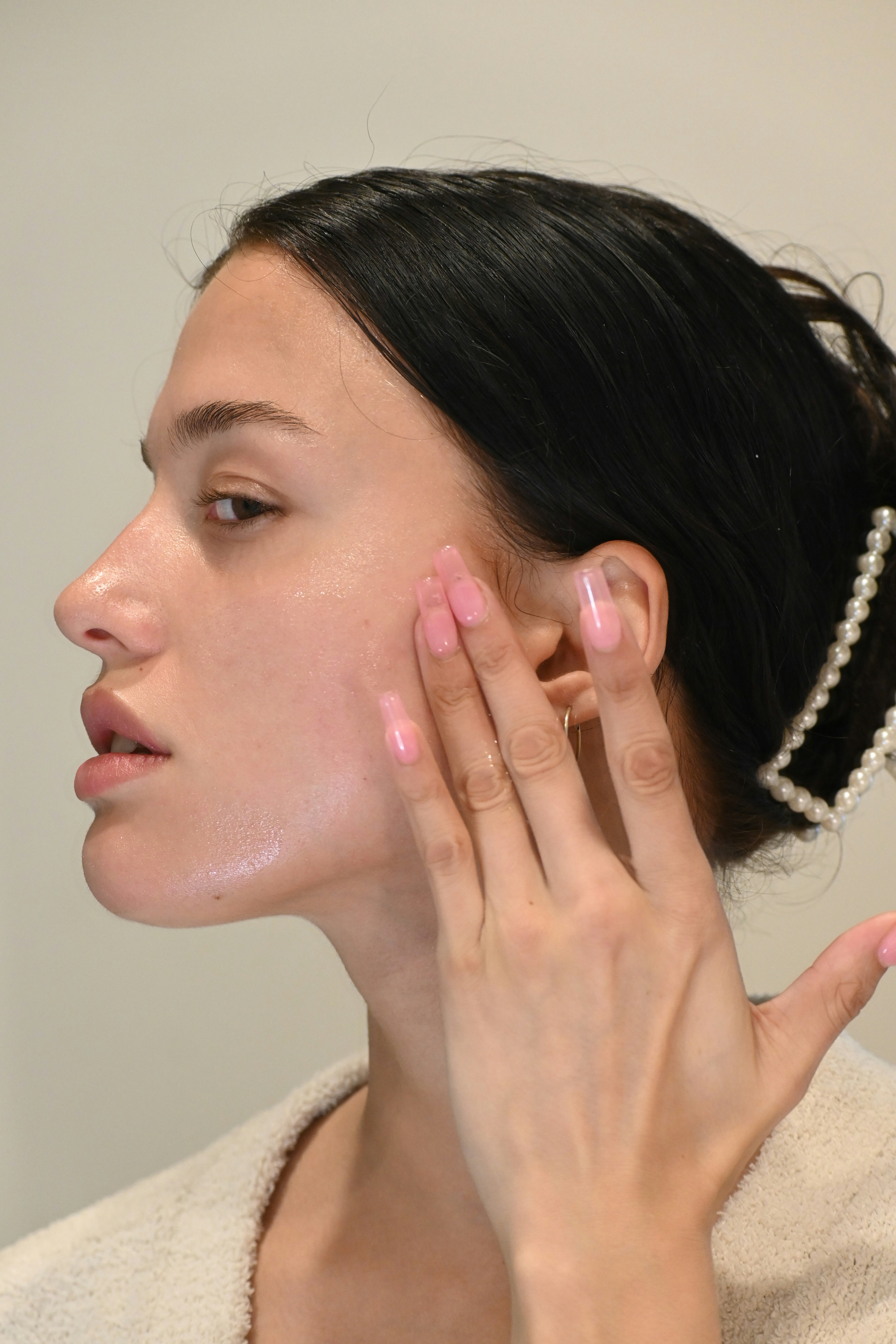
Better personalized skincare uses goals, tolerance, routine context, visible changes, and feedback instead of treating one skin-type quiz as a diagnosis.
Personalized skincare is useful only when the recommendation reflects more than a skin-type label. A better system considers the outcome you want, what you already use, how reactive your skin is, visible changes over time, and whether the recommendation actually improves the routine after you test it.
Quick Answer
A one-time quiz can organize preferences. It cannot diagnose a condition or predict with certainty how your skin will respond. Better matching needs six inputs:
a specific goal
current routine and ingredient overlap
tolerance and reaction history
visible baseline and consistent progress records
lifestyle and environmental context
feedback after each controlled product test
Why Skin Type Is Not Enough
Skin type is a useful starting description, but it is not a complete plan. A person can be oily and dehydrated, dry and acne-prone, or sensitive because the current routine is too aggressive. Skin can also shift with weather, age, medication, stress, and product use.
AAD notes that skin type can change over time and that product choice should reflect whether skin is oily, dry, normal, combination, or sensitive. AAD
The recommendation still needs context. Two people who both select "combination skin" may have completely different goals, tolerances, and routines.
What a Better Match Should Ask
Input | Weak question | Better question |
|---|---|---|
Goal | What is your skin type? | Which visible or comfort signal are you trying to change? |
Routine | Which products do you like? | Which active ingredients and frequencies are already present? |
Tolerance | Is your skin sensitive? | What has caused burning, rash, or persistent dryness before? |
Baseline | Upload one selfie | Compare standardized photos and notes across time |
Feedback | Did you buy it? | Did it improve the target without creating a new problem? |
Personalization Should Reduce Products, Not Multiply Them
The point of matching is not to produce a longer shopping list. It should identify the smallest reasonable change.
For example:
Goal: fewer post-breakout marks
Current issue: three exfoliating products and inconsistent sunscreen
Weak match: add a fourth brightening serum
Better match: simplify overlapping exfoliation, improve sunscreen consistency, then test one treatment variable
That is personalization based on the whole system rather than one keyword.
AI Can Organize Signals, Not Diagnose
AI can help sort visible features, compare photos, and connect a stated goal with product attributes. It cannot confirm rosacea, eczema, acne severity, allergy, infection, or skin cancer from a consumer selfie.
Use the boundaries in What Is AI Skin Analysis? and the evaluation checklist in AI Skincare Apps: What to Look For.
Any app handling face photos or health-related context should also explain data use clearly. The FTC emphasizes privacy and security for apps that collect or maintain health-related information. FTC
The Feedback Loop That Makes Matching Personal
A recommendation becomes more relevant when it learns from a controlled test:
Define one measurable goal.
Record the baseline.
Check for ingredient overlap and contraindications.
Introduce one product conservatively.
Track comfort and adherence.
Review the goal on a realistic timeline.
Keep, adjust, or stop based on the result.
Use Product Testing in Skincare to make that loop readable.
Questions to Ask Before Trusting a Match
Does the system explain why this product fits the goal?
Does it consider products already in the routine?
Does it flag ingredient overlap and irritation risk?
Can the recommendation change when feedback changes?
Does it distinguish cosmetic guidance from medical advice?
Can you delete photos and account data?
Is a paid placement clearly identified?
If the only explanation is "AI chose this for your skin type," the matching logic is too thin.
What to Track in Biuty
Build a living profile with goals, current products, reaction history, standardized photos, and experiment outcomes. Review How to Know If Your Skincare Routine Is Actually Working before accepting the next recommendation.
Key Takeaways
Personalized skincare is not a permanent label. It is a feedback loop that connects goals, routine context, tolerance, visible change, and real-world results.
Use Biuty to keep that profile current so product matching becomes narrower, safer, and more useful over time.
Skincare technology editors focused on evidence-informed routines, ingredient literacy, and visual skin progress tracking.
Explore our guides:
The Complete Guide to Skin Concerns · The Complete Skincare Ingredients Guide
Track what actually works for your skin
Biuty helps you compare skin progress over time, understand routine changes, and reduce product guesswork with visual tracking.
Try Biuty
Learn more
Discover more from the latest posts.