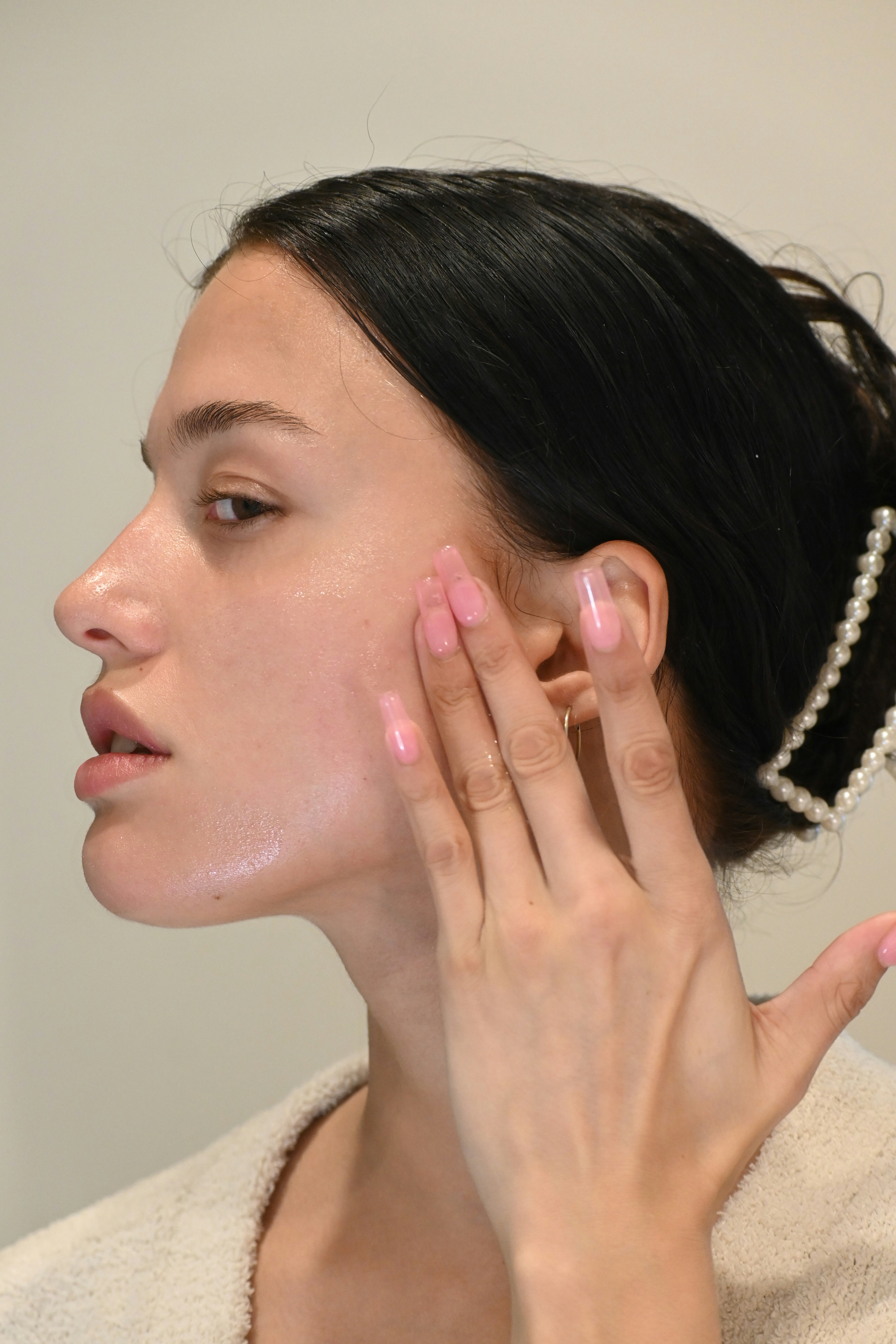
Hyaluronic acid is a humectant, but the formula, application method, moisturizer, climate, and skin barrier determine whether it feels comfortable.
Hyaluronic acid is a humectant used in many hydrating formulas, but a hyaluronic acid serum is not a complete moisture barrier. Skin may feel drier when the formula irritates, the routine lacks enough emollient or occlusive support, the barrier is already stressed, or the product simply does not suit the user.
Quick Answer
If hyaluronic acid makes your skin feel tight:
Stop assuming more layers will fix it.
Check whether the serum itself stings or pills.
Apply it as the product directs, often before moisturizer.
Use a moisturizer that reduces water loss and supports comfort.
Reduce frequency or pause if tightness builds.
Evaluate the whole formula, not the word "hyaluronic."
What Hyaluronic Acid Actually Does
Hyaluronic acid binds water and is used in topical products to support surface hydration. Molecule size and formulation influence how a product behaves. A small randomized trial in older adults with dry skin found improved hydration with a low-molecular-weight HA moisturizer compared with high-molecular-weight HA and vehicle, while transepidermal water loss did not differ significantly among groups. PubMed
That result is specific to a tested moisturizer and population. It does not mean every HA serum hydrates every face.
Why a Hydrating Serum Can Feel Dry
Possible reason | Clue | What to test |
|---|---|---|
Not enough moisturizer support | Skin feels briefly plump, then tight | Follow with a suitable moisturizer |
Irritating complete formula | Stinging, redness, or itching | Stop and test a simpler formula |
Too many humectant layers | Sticky film, pilling, no lasting comfort | Use fewer layers |
Barrier already stressed | Water and basic products sting | Pause actives and simplify |
Climate or indoor air | Comfort changes with heating or air conditioning | Track environment and moisturizer |
Formula mismatch | One HA product fails while another works | Compare the whole ingredient list and texture |
The "It Pulls Water From Your Skin" Claim Is Too Simple
Online explanations often claim HA automatically draws water out of skin in dry air. Real topical behavior depends on the entire formulation, dose, film, other humectants, emollients, occlusives, underlying skin, and environment. The claim should not be treated as a universal mechanism for every tight feeling.
An open-label study of a specific micronized HA cream reported improvements in hydration and other measures, but the authors also called for larger randomized controlled studies. PubMed
Judge the product you use, not the ingredient's reputation.
A Better Layering Test
For one week:
Keep cleanser and sunscreen unchanged.
Apply the HA product at the labeled amount.
Follow with one familiar moisturizer.
Record comfort after 30 minutes and four hours.
Compare with two routine days without the HA product.
Stop if burning, rash, or worsening redness appears.
Use Product Testing in Skincare so only one variable changes.
Serum vs Moisturizer: Do Not Confuse the Jobs
An HA serum is usually designed to add humectant hydration and a particular skin feel. A moisturizer is typically a broader blend of water-binding ingredients, emollients, and ingredients that reduce water loss. Some moisturizers already contain hyaluronic acid, so a separate serum may be redundant.
Ask what the routine is missing:
If skin feels rough but not tight, a lighter hydrating layer may help.
If skin feels tight again within hours, the moisturizer may be too light.
If the serum stings immediately, the complete formula may be the problem.
If every product stings, the barrier may need a simpler recovery plan.
More hydration steps do not automatically create more hydration. A short, comfortable routine is a better result than a sticky stack that you cannot interpret.
How to Compare Two Formulas
Do not alternate randomly. Test one formula for a defined period while cleanser, moisturizer, and environment stay as stable as possible. Then use a washout period if the first formula caused irritation before testing another.
Compare:
comfort at 30 minutes and four hours
flaking at the end of the day
how much moisturizer you needed
pilling under sunscreen
redness or itching
whether the result persisted beyond the initial glossy finish
Dry Skin, Dehydration, and Barrier Stress Are Different Questions
Dry skin generally lacks enough oil; dehydrated skin describes low water content; barrier stress can add burning, flaking, and broad reactivity. They can overlap.
If moisturizer and water sting, go to Skin Barrier Damage rather than optimizing a serum layer. If the issue is oil versus water balance, review Dehydrated Skin vs Dry Skin.
What to Track in Biuty
Track tightness, flaking, shine, stinging, product order, moisturizer, indoor conditions, and time since application. A useful comparison asks whether the routine feels comfortable at four hours, not only whether skin looks glossy at minute five.
When to Seek Help
Stop and seek advice for swelling, hives, blistering, a spreading itchy rash, or persistent pain. Recurrent dermatitis or severe dryness may need diagnosis rather than another hydrating product.
Key Takeaways
Hyaluronic acid can support hydration, but it is not a complete routine and every formula is different. Tightness is a reason to examine the product, layering, moisturizer, environment, and barrier state.
Use Biuty to compare comfort over hours and days so you can tell whether the product delivers durable hydration or only a short-lived finish.
Skincare technology editors focused on evidence-informed routines, ingredient literacy, and visual skin progress tracking.
Explore our guides:
The Complete Guide to Skin Concerns · The Complete Skincare Ingredients Guide
Track what actually works for your skin
Biuty helps you compare skin progress over time, understand routine changes, and reduce product guesswork with visual tracking.
Try Biuty
Learn more
Discover more from the latest posts.