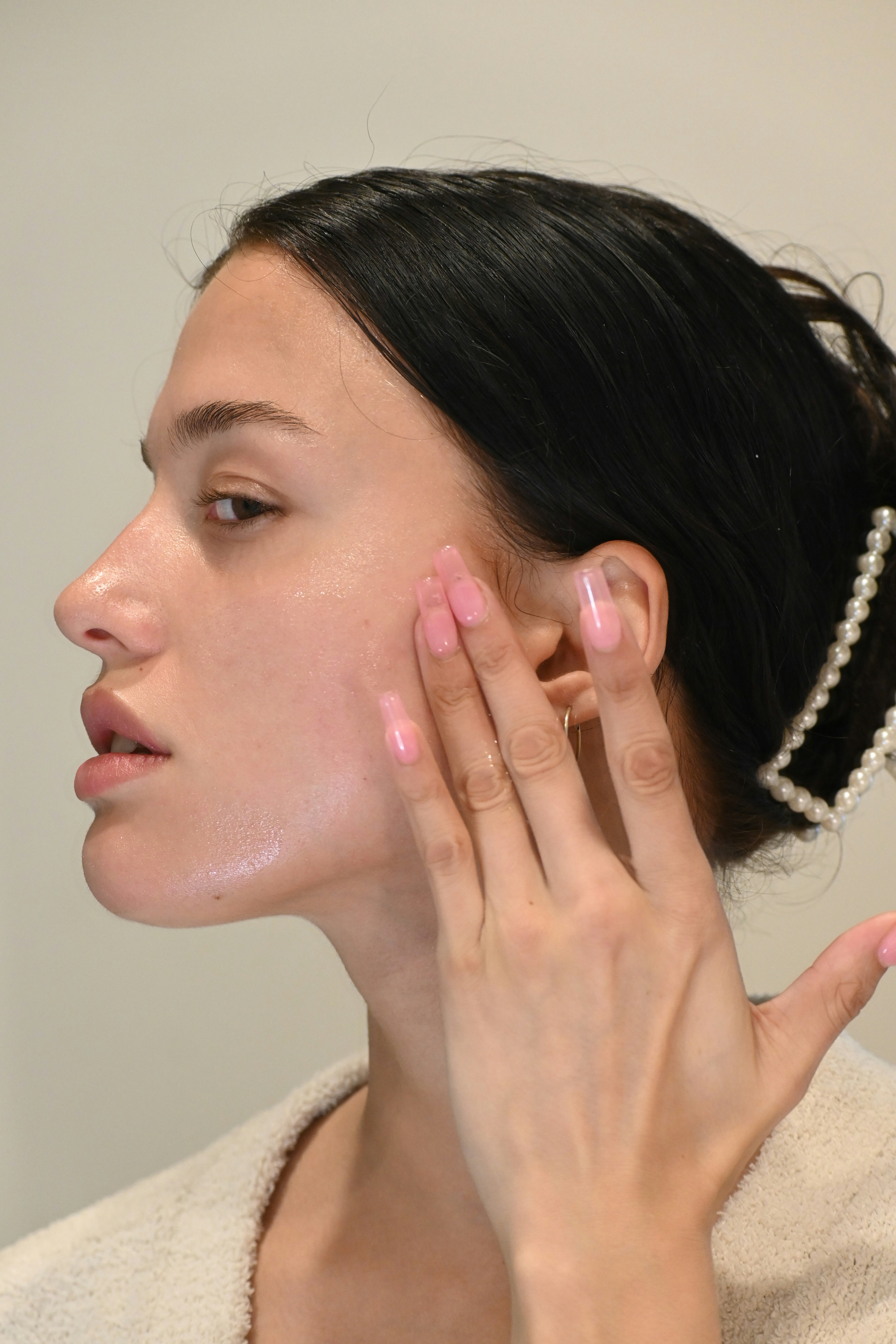
Exosomes have emerged as K-beauty's latest frontier ingredient, promising revolutionary anti-aging results through cellular communication and regeneration. These microscopic vesicles, derived from stem cells or plant sources, are being marketed as the next-generation solution for skin rejuvenation. But beneath the impressive scientific terminology and premium price points lies a complex reality that deserves closer examination. This comprehensive analysis explores what exosomes actually are, how they're being used in Korean skincare, and whether the science supports the substantial investment these products require.
What Actually Are Exosomes?
Exosomes represent a fascinating intersection of cellular biology and skincare innovation. These tiny extracellular vesicles, measuring between 30 to 150 nanometers in diameter, function as biological delivery systems carrying proteins, lipids, RNA, and growth factors between cells. Originally discovered in the 1980s, exosomes have gained attention in regenerative medicine for their role in cell-to-cell communication and tissue repair.
In skincare applications, exosomes are typically derived from human adipose-derived stem cells, plant stem cells, or other biological sources. The theoretical mechanism involves these vesicles penetrating the skin barrier to deliver their cargo of growth factors and signaling molecules directly to skin cells. This delivery system purportedly triggers cellular regeneration, enhances collagen production, and improves overall skin function at a fundamental level.
The appeal of exosomes in skincare stems from their nanoscopic size, which theoretically allows superior penetration compared to traditional ingredients. Unlike larger molecules that struggle to breach the stratum corneum, exosomes are small enough to potentially navigate through skin layers more effectively. Their biological origin also means they carry complex mixtures of naturally occurring compounds that work synergistically, rather than isolated synthetic ingredients.
The K-Beauty Exosome Explosion
Korean beauty brands have embraced exosome technology with characteristic innovation and marketing sophistication. These products command premium prices, often ranging from $150 to $400 for serums and ampoules, positioning them in the luxury segment of K-beauty offerings.
Amorepacific's IOPE line features Bio Intensive Conditioning Duo, a two-step system containing stem cell-derived exosomes combined with peptides and growth factors. The product focuses on improving skin elasticity and reducing visible aging signs through what the brand calls "bio-signal technology." Users report improvements in skin firmness and hydration, though results vary significantly.
Careglow's Exosome Ampoule represents another high-profile entry, utilizing plant-derived exosomes rather than animal or human sources. This addresses some ethical concerns while maintaining the core promise of cellular regeneration. The formula combines exosomes with hyaluronic acid and peptides in a concentrated serum format designed for intensive treatment.
Several luxury K-beauty brands have launched exosome-focused product lines, each with proprietary extraction and stabilization methods. These products typically emphasize their scientific credentials through clinical study references, though the quality and applicability of these studies varies. The marketing often features impressive before-and-after photos and testimonials from users reporting dramatic improvements in skin texture, tone, and aging signs.
The Science Problem
Despite the compelling marketing narratives, exosome skincare faces substantial scientific challenges that complicate evaluation of its true efficacy. The primary issue centers on skin penetration. While exosomes are indeed nano-sized, the skin barrier remains a formidable obstacle designed specifically to prevent external substances from entering the body. The stratum corneum, skin's outermost layer, consists of dead cells in a lipid matrix specifically structured to keep things out.
No independent, peer-reviewed studies currently demonstrate that topically applied exosomes can penetrate healthy skin in meaningful quantities. The research that does exist comes primarily from manufacturers or affiliated laboratories, raising questions about objectivity and methodology. Even if some exosomes penetrate, questions remain about whether they maintain their integrity and functionality during this process.
Stability represents another significant concern. Exosomes are biological materials requiring specific storage conditions to maintain viability. The proteins and RNA they contain can degrade when exposed to light, heat, or air. Once packaged in skincare products, especially those in jar format or exposed to bathroom conditions, maintaining exosome stability becomes challenging. Most products don't clarify whether their exosomes remain viable throughout the product's shelf life or after opening.
The lack of standardization across the industry further complicates matters. No regulatory oversight governs exosome concentration, source quality, or extraction methods in cosmetics. Companies can claim exosome content without specifying quantities or proving functionality. This absence of standards makes it impossible for consumers to compare products meaningfully or verify whether they're receiving effective doses of viable exosomes.
Standardization of exosome production, concentration, and quality control remains inconsistent across manufacturers. Without industry standards or independent verification, determining the actual exosome content and viability in any given product becomes nearly impossible. The absence of rigorous testing requirements means companies can market products with minimal exosome content or degraded exosomes while making substantial efficacy claims.
The Realistic Perspective
Despite scientific uncertainties, many users report positive experiences with exosome products, creating an interesting disconnect between theoretical concerns and practical outcomes. This phenomenon warrants careful consideration rather than dismissal.
Several factors might explain positive user experiences beyond actual exosome functionality. These premium products typically contain excellent supporting ingredients including peptides, growth factors, hyaluronic acid, and antioxidants that would benefit skin independently. The luxury price point may enhance placebo effects, with users more likely to notice improvements when investing significantly in a product. Additionally, people purchasing expensive skincare often implement better overall skincare routines, making it difficult to isolate exosome-specific benefits.
Regarding whether exosome products are worth the investment, the answer depends heavily on individual circumstances and expectations. If drawn to the cutting-edge science aspect and able to afford premium products without financial strain, exosome skincare might provide psychological satisfaction alongside any physical benefits. The ritualistic aspect of using luxury products shouldn't be underestimated in its contribution to overall wellbeing and skin health through stress reduction and consistent care.
However, for those seeking proven anti-aging results on a budget, established ingredients like retinoids, vitamin C, niacinamide, and peptides offer better evidence-to-cost ratios. These ingredients have decades of research supporting their efficacy and are available at various price points. Building a comprehensive routine with proven ingredients will likely deliver superior results compared to investing heavily in a single exosome product.
The Smart Approach
For those determined to try exosome skincare, several strategies can minimize risks and maximize potential benefits. Start with one product rather than an entire line, allowing you to assess results without excessive financial commitment. Look for products from established brands with transparent manufacturing processes and some clinical backing, even if not independently verified.
Consider products with multiple active ingredients beyond just exosomes, ensuring you receive benefits from proven compounds regardless of exosome efficacy. Check packaging carefully, preferring airless pumps or single-use ampoules that better protect ingredient stability. Set a defined trial period of 8 to 12 weeks, since skin cell turnover requires time for any intervention to show results.
Keep a detailed skin journal with photos taken in consistent lighting conditions, allowing objective assessment rather than relying on memory or wishful thinking. This documentation helps determine whether observed improvements justify the cost. Compare your results against what you might achieve with proven, less expensive alternatives.
Maintain realistic expectations throughout the trial period. No skincare ingredient, regardless of innovation level, can completely reverse aging or replace professional treatments for significant concerns. Exosomes won't provide overnight transformations or eliminate the need for sun protection, healthy lifestyle habits, and comprehensive skincare routines.
The Bottom Line
Exosomes represent fascinating science with genuine potential in medical applications, particularly in regenerative medicine and wound healing where they can be administered through controlled methods. Their translation to topical skincare, however, remains largely unproven despite sophisticated marketing and high price points.
The current evidence suggests that exosome skincare products may provide benefits, but these likely stem from supporting ingredients and overall formulation quality rather than exosome-specific effects. The luxury experience and ritual might contribute value beyond measurable skin improvements, which shouldn't be dismissed for consumers who prioritize that aspect of skincare.
For most consumers, proven ingredients with established efficacy records offer better value and more reliable results. The skincare budget is finite for most people, and allocating it toward ingredients with robust scientific backing typically yields superior outcomes. Retinoids, vitamin C, niacinamide, peptides, and quality moisturizers with proven track records deserve priority in most routines.
That said, skincare remains a personal journey combining science, ritual, and individual response. If exosome products intrigue you and fit your budget comfortably, trying them with appropriate expectations and documentation can provide valuable personal data. Just ensure you're making informed decisions based on realistic expectations rather than marketing hype.
The future may bring better evidence for topical exosomes as research advances and technology improves delivery systems. For now, they represent an interesting but unproven frontier in skincare innovation, one that's perhaps more fascinating for its potential than its current demonstrated efficacy.
Skincare technology editors focused on evidence-informed routines, ingredient literacy, and visual skin progress tracking.
Explore our guides:
The Complete Guide to Skin Concerns · The Complete Skincare Ingredients Guide
Track what actually works for your skin
Biuty helps you compare skin progress over time, understand routine changes, and reduce product guesswork with visual tracking.
Try Biuty
Learn more
Discover more from the latest posts.